

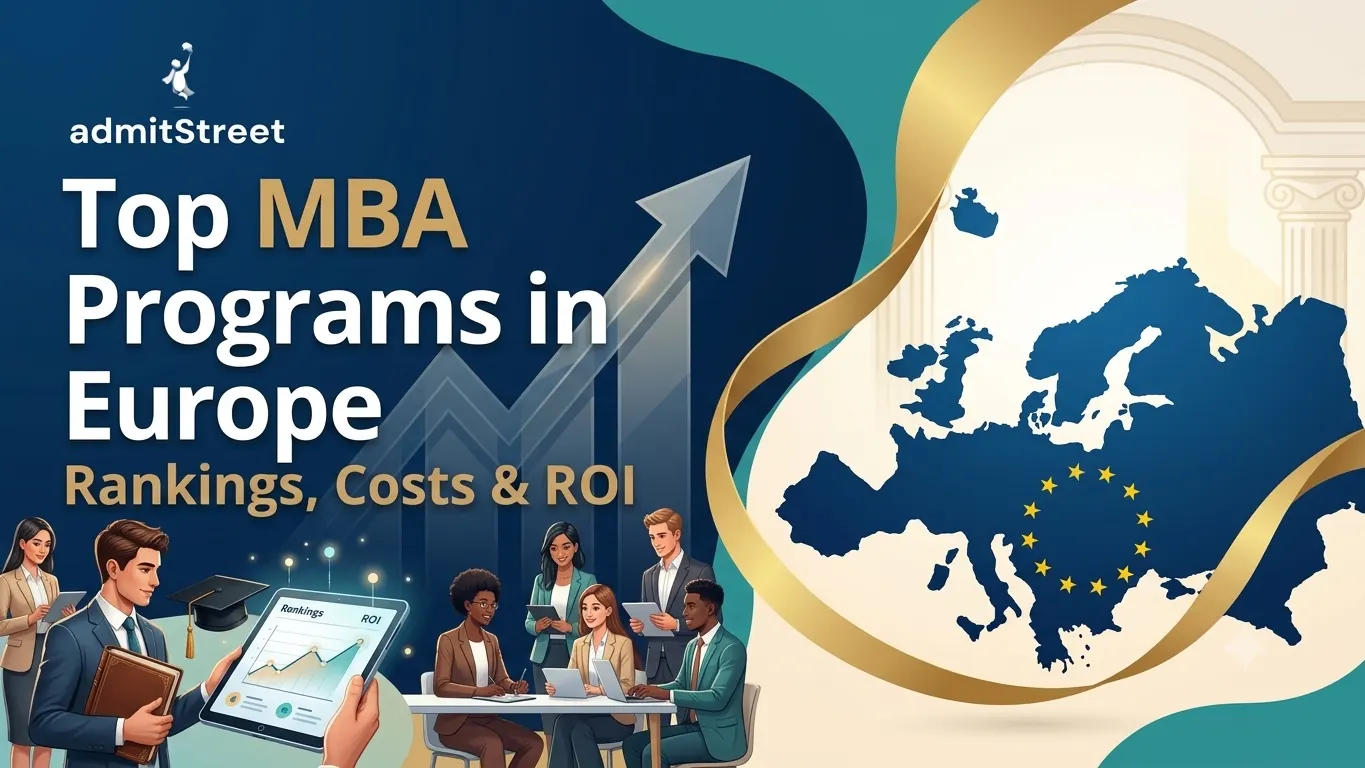
The top MBA programs in Europe for 2026-27 include INSEAD, HEC Paris, London Business School, IESE, IE Business School, and Cambridge Judge. In the Financial Times Global MBA Ranking 2026, INSEAD placed #2 in the world, IESE #4, London Business School #5, and HEC Paris #6 – making Europe home to four of the world’s top six MBA programs. These programs run 10 to 21 months, cost roughly €75,000 to €125,000 in tuition, and report average post-MBA salaries between $90,000 and $175,000.
Europe is home to some of the world’s most prestigious MBA programs, attracting ambitious professionals seeking a transformative business education. Renowned for their academic excellence, cultural diversity, and strong connections to global industries, European business schools offer a unique blend of tradition and innovation.
From London to Paris, Barcelona to Lausanne, the continent boasts a wide array of programs that cater to different career aspirations and personal goals. With shorter program durations compared to traditional two-year MBAs and a focus on international perspectives, these programs are ideal for professionals eager to fast-track their careers.
In this article, we’ll explore the top MBA programs in Europe, highlighting their key features, curriculum, and the career prospects they offer, helping you make an informed choice for your future.
Why Get an MBA in Europe? Key Advantages

When comparing an MBA in Europe vs. the USA, several distinct advantages stand out. European programs are designed for the globalized economy, offering a unique blend of efficiency and experience.
- Shorter Duration: Most top European MBAs are 10 to 18 months long, allowing you to re-enter the workforce faster and with less lost income compared to traditional two-year US programs.
- Cost-Effective: While annual tuition can be similar, the shorter duration often means a lower total cost for an MBA in Europe, making it a strong financial decision.
- Unmatched Diversity: You’ll study alongside a truly international cohort, with often over 90% of the class coming from outside the country. This builds a powerful global network from day one.
- Global Career Focus: The curriculum is inherently international, preparing you for leadership roles across continents. Many schools have strong recruitment pipelines into global hubs like London, Zurich, Singapore, and Dubai.
Top 15 MBA Programs in Europe
Here is a table of the top 15 MBA programs in Europe, including their locations, average post-MBA salaries, and program durations:
| S. No. | Business School | Location | Average Post-MBA Salary | Program Duration |
|---|---|---|---|---|
| 1 | INSEAD | Fontainebleau, France | €102,200 | 10 months |
| 2 | HEC Paris | Paris, France | $123,170 | 12 or 16 months |
| 3 | London Business School | London, UK | £91,928 | 15-21 months |
| 4 | IESE Business School | Barcelona, Spain | €92,000 | 15 or 19 months |
| 5 | University of Oxford: Saïd | Oxford, UK | £81,466 | 12 months |
| 6 | University of Cambridge: Judge | Cambridge, UK | $134,357 | 12 months |
| 7 | IMD Business School | Lausanne, Switzerland | $172,000* | 12 months |
| 8 | SDA Bocconi School of Management | Milan, Italy | €110,000 | 12-15 months |
| 9 | IE Business School | Madrid, Spain | €73,365* | 11 or 15 or 19 months |
| 10 | ESADE Business School | Barcelona, Spain | $116,247 | 12 or 15 or 18 months |
| 11 | Rotterdam School of Management, Erasmus University | Rotterdam, Netherlands | $107,459 | 12 months |
| 12 | ESCP Business School | Paris, France | $85,000* | 18 months |
| 13 | ESMT Berlin | Berlin, Germany | $80,855* | 12 months |
| 14 | Warwick Business School | Coventry, UK | $137,924 (PPP) | 12 months |
| 15 | University of St. Gallen | St. Gallen, Switzerland | $125,871 (Median) | 12 months |
*Schools have not released the latest data.
Get a free profile evaluation
Each top European MBA has a unique personality. INSEAD values international agility, LBS looks for career clarity, and HEC Paris seeks leadership potential. A generic application gets rejected.
A Detailed Look at Key Program Factors:
So, what does it actually take to get in, how much will it cost, and what’s the payoff? Let’s look at the numbers behind these top programs.
INSEAD MBA Program : Complete 2026-27 Guide
(Ranked #2 in the world, Financial Times Global MBA Ranking 2026)
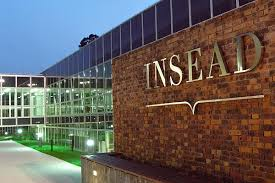
Key Facts at a Glance :
| Key Facts | Details |
|---|---|
| Program Duration | 10 months (accelerated) |
| Locations | Fontainebleau (France), Singapore, Abu Dhabi |
| Total Cost | Tuition : €109,860, living expenses : €32,000 (Singapore campus), €30,000 (Fontainbleau campus) |
| Average GMAT | ~ 710 |
| Average Post-MBA Salary | €113,400 |
| Employment Rate | 81% within 3 months |
Program Overview:
Why INSEAD Stands Out
Often called the “Business School for the World,” INSEAD’s MBA is renowned for its intense 10-month format and truly global experience across campuses in France, Singapore, and Abu Dhabi.
Who This Program Is For
INSEAD is ideal for professionals seeking rapid career transformation in international roles, particularly in consulting, technology, and global leadership positions.
Eligibility Criteria:
- Academic Background:
- A recognized undergraduate degree or equivalent.
- Work Experience:
- Minimum of 2 years of professional work experience (average: 6 years).
- GMAT/GRE:
- A competitive GMAT score (average: 710) or equivalent GRE score.
- English Proficiency:
- TOEFL, IELTS, or equivalent test scores for non-native English speakers if required.
- Application Components:
- Online application form
- CV/resume
- Two professional recommendations
- Essays focusing on career aspirations and personal insights
- Application fee (€250)
- Admissions interview (invitation-based)
Unlock your INSEAD admit with these resources :
Curriculum:
The INSEAD MBA curriculum is divided into five periods, combining core courses, electives, and projects.
Click on the tabs below to explore the different components of the curriculum.
(Periods 1 to 3):
(Periods 3 to 4):
- Financial Accounting
- Managerial Accounting
- Corporate Financial Policy (Finance)
- Financial Markets & Valuation
- Prices & Markets (Microeconomics)
- Macroeconomics in the Global Economy
- Organisational Behaviour (two courses)
- Managing Customer Value (Marketing)
- Processes & Operations Management
- Introduction to Strategy
- Uncertainty, Data & Judgement
- Leadership Communication Foundations
- Business and Society, Ethics, Political Environment & Public Policy
Around 75 electives spanning entrepreneurship, digital transformation, decision sciences, and social innovation. There are no fixed majors, so all graduates earn the same general MBA degree regardless of the electives chosen.
A team based Capstone project, run alongside a Personal Leadership Development Programme built on individual and group coaching.
Learning methods include case studies, business simulations, role plays, and small study groups of five or six students. Grades follow a curve with no forced fails, and a strict non-disclosure policy means grades are never shared with recruiters or classmates.
Students can also spend part of the programme on the other home campus, or through exchange partnerships with Wharton, Kellogg, or CEIBS. Entrepreneurship is supported through the INSEAD Entrepreneurship Centre, and INSEAD is a recognised CFA Institute partner school.
Fees:
- Tuition Fees: €109,860
- Covers tuition, course materials, and access to campus facilities.
- Additional Costs:
- Living Expenses: €30,000 in Fontainebleau, €32,000 in Singapore
- Miscellaneous: Visa fees, travel, and personal expenses.
Scholarships:
INSEAD offers 170+ scholarship funds across need based, merit based, and spot awards. Candidates can apply for up to four. In recent classes, 38% of students received a scholarship, averaging €24,000. Global loan programmes are also available.
Jobs & Salaries:
Based on INSEAD’s most recent graduating classes (929 graduates, 902 of whom sought employment):
Employment Highlights:
- Placement Rate: 81% of job-seeking graduates received at least one job offer within 3 months
- 33% found roles through school-run recruiting activities, 5% started their own companies
By sector:
| Sector | Share of Class | Mean Salary |
|---|---|---|
| Management Consulting | 50% | €107,200 |
| Technology, Media & Telecom | 18% | €95,500 |
| Corporate Sectors | 17% | €95,500 |
| Financial Services | 15% | €99,400 |
Top hiring employers include McKinsey, BCG, Bain, Strategy&, and Accenture.
Salaries:
- Mean salary: €102,200
- Median salary: €100,000
- Median signing bonus: €28,900
See real MBA journeys : from application strategy to INSEAD admit.
HEC Paris MBA Program : Complete 2026-27 Guide
(Ranked #6 in the world, Financial Times Global MBA Ranking 2026)

Key Facts at a Glance :
| Factor | Details |
|---|---|
| Program Duration | 16 months (Fundamental + Customized phases). An accelerated 12 month track is also available, but only for the January intake |
| Location | Jouy-en-Josas, France (near Paris) |
| Total Cost | €102,000 tuition + €25,300 living expenses |
| Average GMAT | Competitive score required (class average typically ~690) |
| Average Post-MBA Salary | $123,170 |
| Employment Rate | 75% within 3 months |
Program Overview:
Why HEC Paris Stands Out
HEC Paris MBA is one of the most prestigious MBA programs globally, known for its world-class faculty, innovative curriculum, and diverse international cohort. Situated in the heart of France, the program emphasizes leadership development, critical thinking, and global perspectives.
Who This Program Is For
This program is ideal for candidates targeting strong European placement, especially in consulting, luxury goods, and finance. The new 12-month format is perfect for those seeking a faster return to the workforce, while the 16-month option allows for a deeper dive and an internship.
Eligibility Criteria:
- Academic Background:
A recognized undergraduate degree or equivalent. - Professional Experience:
Minimum of 2 years of professional work experience. - GMAT/GRE:
A competitive GMAT or GRE score is required. - English Proficiency:
Non-native English speakers must submit TOEFL, TOEIC, or IELTS scores. - Leadership Potential:
Demonstrated leadership potential through prior roles, initiatives, and accomplishments. - Application Components:
- Online application form
- Two letters of recommendation
- Essays
- CV/resume
- Admission interview (if shortlisted)
Unlock your HEC admit with these resources :
Curriculum:
Click on the tabs below to explore the different components of the curriculum.
The HEC Paris 12-month MBA program is designed for professionals seeking a fast-track, transformative business education. The curriculum is divided into two phases: Core Phase and Customization Phase.
1. Core Phase (8 months):
The Core Phase focuses on building essential business knowledge and leadership skills.
- Key Subjects: Accounting, Finance, Marketing, Operations, Strategy, Organizational Behavior, and Business Ethics.
- Workshops: Leadership Development, Negotiation Skills, and Communication.
- Global Perspective: Classes are infused with international case studies and real-world business challenges.
2. Customization Phase (4 months):
The Customization Phase allows students to tailor their MBA experience to align with career goals.
- Specializations: Options include Strategy, Finance, Marketing, Entrepreneurship, or Digital Innovation.
- Electives: Choose from over 40 electives to dive deeper into areas of interest.
- Fieldwork: Engage in hands-on projects such as internships, consulting projects, or entrepreneurial ventures.
- Capstone Project: A final project where students solve a complex business challenge for a real organization.
The HEC Paris 16 months MBA curriculum is divided into two phases: Fundamentals and Customization.
1. Fundamentals (8 months):
- Core courses in Accounting, Marketing, Strategy, Leadership, and Finance.
- Focus on building a strong foundation in business and management principles.
2. Customization (8 months):
- Specializations: Finance, Entrepreneurship, Strategy, Marketing, or Digital Transformation.
- Fieldwork: Hands-on projects with companies, case studies, and simulations.
- Electives: Choose from 40+ electives tailored to individual career goals.
- Capstone Project: Solve a real-world business challenge in teams.
- Global Opportunities: International exchanges, dual degrees, and immersion programs.
Fees:
- Tuition Fees: €102,000
This covers tuition, access to facilities, and learning resources. - Additional Costs:
- Living Expenses: €25,300 for the 16-month program
- Miscellaneous: Visa fees, travel costs, and personal expenses.
Scholarships:
HEC Paris offers merit-based and need-based scholarships covering roughly 10% to 50% of tuition, helping make the program more accessible.
Jobs & Salaries:
Employment Highlights:
- Placement Rate: Over 75% of graduates secure job offers within three months of graduation.
- Top Hiring Industries: Technology, Finance, and Consulting remained the top three sectors for graduates, with Technology the single largest at 27% of the class.
- Top Employers: McKinsey & Company, BCG, Bain & Company, Amazon, Google, and L’Oréal.
Salaries:
- Average Post-MBA Salary: $123,170
- Bonuses: Many students receive signing bonuses and performance bonuses in addition to base salaries. Median sign-on bonus stood at $15,000.
Real Success Stories from HEC Paris MBA Admits:
Here are two inspiring journeys from applicants who stood where you are now – and made it into HEC Paris with strong essays, strategy, and mentorship:
London Business School MBA Program : Complete 2026-27 Guide
(Ranked #5 in the world, Financial Times Global MBA Ranking 2026)
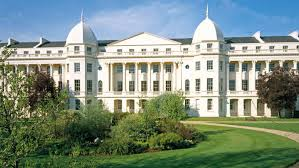
Key Facts at a Glance
| Factor | Details |
|---|---|
| Program Duration | 15-21 months (highly flexible) |
| Location | London, United Kingdom |
| Total Cost | £123,950, tuition + £30,000-£40,000 annual living expenses |
| Average GMAT | Around 700 on the classic scale, or 645 on GMAT Focus |
| Average Post-MBA Salary | £91,928 |
| Job Offers Within 3 Months | 88% received an offer, 86% accepted one |
Program Overview:
Why London Business School Stands Out
LBS offers an unbeatable combination of a world-class MBA and a prime location in a global financial and tech hub. Its flexible 15-21 month format is unique, allowing students to undertake a summer internship and tailor the program length to their career goals.
Who This Program Is For
Ambitious professionals targeting careers in finance, consulting, or tech, particularly in Europe and the UK. The program is perfect for those who value the option of a summer internship and want to build a powerful network in the heart of London.
Eligibility Criteria:
- Academic Background:
- A recognized undergraduate degree or equivalent.
- Work Experience:
- Minimum of 2 years of professional work experience (average: 5-6 years).
- GMAT/GRE:
- A competitive GMAT (average: 700+) or GRE score.
- English Proficiency:
- Non-native English speakers must provide TOEFL, IELTS, or equivalent test scores if required.
- Application Components:
- Online application form
- CV/resume
- Two professional references
- Essays (focused on career aspirations and personal motivations)
- Application fee (£200)
- Interview (invitation-based)
Unlock your LBS admit with these resources :
Curriculum:
The MBA runs across two years, with Year One built around a shared core and Year Two fully customised by the student.
- Pre-term: Three online modules in finance, accounting, and quantitative methods to build a baseline before term starts. Students with relevant prior knowledge can test out of the coursework.
- Business Fundamentals (Terms 1 and 2): A shared core for all students covering management and leadership tools, decision making with data, organisational behaviour, and related foundations. This stage is also key to securing a summer internship.
- Tailored Core (Terms 2 and 3): Students choose courses to fulfil their core credits from options including Accounting, Finance, Statistics, Data Analytics for Managers, Business Analytics, Financial Reporting, Strategy Execution, and Digital Strategy. Students with relevant recent postgraduate or professional experience may qualify for a waiver from certain core subjects.
- Summer: Most students complete an internship. Others join the Entrepreneurship Summer School to develop a business idea.
- Year Two: Fully tailored by the student through electives, global experiences, exchanges, and business projects.
- Electives: More than 80 on offer, spanning entrepreneurship, analytics, and other specialist areas. Students complete a minimum of 8 full credit electives (10 if graduating at an early exit point), scheduled across weekday, evening, weekend, and intensive block formats. Electives are open across all LBS masters programmes and more than 30 partner exchange schools, giving a wider mix of classmates.
Other features:
- LondonCAP: a project-based module working with real London organisations
- Concentrations: a defined set of electives in a specific specialism, confirmed on your transcript if completed
- Global Experience: a required international, experiential component
- International Exchange: available at partner schools, though it limits you to the later exit points
- Business Project: an elective letting you apply your learning to a real business problem
- Study groups of 5 to 6 students during Business Fundamentals, designed to mix nationalities and backgrounds
Fees:
- Tuition Fees: £123,950
- Includes tuition, core course materials, and access to campus facilities.
- Additional Costs:
- Student Association fee: £400
- Commitment deposit: £3,500 and reservation deposit: £6,500, both deducted from total tuition once you accept your place
- Living expenses: roughly £1,137 to £2,157 per month, depending on lifestyle
- Visa and other personal expenses on top of the above
Scholarships: LBS offers over 30 scholarships based on need, merit, nationality, and industry, ranging from partial awards to full tuition. These include the Forté Foundation Fellowship for women (up to £45,000), the LBS Fund Scholarships for academic and professional excellence, and several regional and nationality-based awards. Admitted students are automatically considered for all scholarships.
Jobs & Salaries:
Employment Highlights:
- Placement Rate: Over 88% of graduates secure job offers within three months of graduation.
- Top Hiring Industries:
- Consulting: McKinsey, BCG, Bain
- Finance: Goldman Sachs, J.P. Morgan, Morgan Stanley
- Technology: Amazon, Google, Microsoft
- Other: Luxury brands, healthcare, and startups.
Salaries:
- Mean salary: £91,928 ($123,373). Salaries ranged from £22,465 to £237,682
- Bonuses: Many graduates receive substantial signing and performance bonuses.
By sector:
| Sector | Share of Class | Mean Salary |
|---|---|---|
| Consulting | 40% | £98,856 |
| Finance | 25% | £93,406 |
| Technology | 24% | £83,287 |
| Diversified (industrials, energy, healthcare, consumer & retail, etc.) | 11% | £87,289 |
See how Nikhita turned her LBS dream into an offer letter →
Oxford Saïd MBA Program : Complete 2026-27 Guide
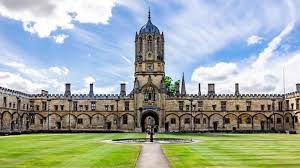
Key Facts at a Glance
| Factor | Details |
|---|---|
| Program Duration | 12 months |
| Location | Oxford, United Kingdom |
| Total Cost | £94,120 tuition + £17,000-£24,000 living expenses |
| Average GMAT | 690+ |
| Average Post-MBA Salary | £81,466 |
| Employment Rate | 75% within 3 months |
Program Overview:
Why Oxford Saïd Stands Out
The Oxford Saïd MBA program is renowned for its emphasis on responsible leadership, global problem-solving, and an entrepreneurial approach to business. As part of the prestigious University of Oxford, the program provides students with access to an unparalleled intellectual environment, a world-class alumni network, and a vibrant cultural and academic community.
Who This Program Is For
Mission-driven leaders, aspiring entrepreneurs, and those interested in the intersection of business and society. It’s ideal for candidates who want to be part of a diverse community focused on creating positive change.
Eligibility Criteria:
- Academic Background:
- A recognized undergraduate degree or equivalent with strong academic performance.
- Work Experience:
- Minimum of 2 years of professional work experience (average: 5 years).
- GMAT/GRE:
- A competitive GMAT (average: 690+) or GRE score is required.
- English Proficiency:
- Non-native English speakers must provide TOEFL, IELTS, or equivalent test scores if applicable.
- Application Components:
- Online application form
- CV/resume
- Two professional references
- Essays (focused on career goals and personal motivations)
- Application fee (£75)
- Admission interview (if shortlisted)
Unlock your Oxford Saïd admit with these resources :
Curriculum:
The one-year MBA follows Oxford’s three-term structure (Michaelmas, Hilary, Trinity), plus a summer term, and combines a shared core with a substantial elective portfolio.
Core courses (8, taken in Michaelmas term):
- Accounting
- Analytics
- Business Finance
- Firms and Markets
- Marketing
- Organisational Behaviour
- Strategy
- Technology and Operations Management
Entrepreneurship Project: An integrative project run alongside the core, helping students develop and pitch a business idea with mentorship from industry experts.
Electives: Up to 12 in total, taken across the year, 4 in Hilary term, 6 in Trinity term, and 2 during the summer. The elective catalogue spans finance, strategy, entrepreneurship, sustainability, and global business, and includes options like Global Opportunities and Threats (GOTO), Impact Investing, Global Strategy, Mergers, Acquisitions & Restructuring, and Negotiations, along with a small number of international electives. Electives change year to year based on demand.
Human Leadership Programme: A leadership development track combining live workshops, coaching, and AI-powered simulations to build communication, adaptability, and leadership presence throughout the year.
Internships for Credit: An option to gain hands-on work experience during the programme, whether sourced through the Career Development Centre or independently. Project Aspire offers a similar pathway specifically into impact investment for students without a finance background.
Fees:
- Tuition Fees: £94,120
- Includes tuition, access to facilities, and learning resources.
- Additional Costs:
- Living Expenses: £17,000-£25,000 annually.
- Miscellaneous: Visa fees, travel, and personal expenses.
Scholarships:
Saïd Business School and the wider University of Oxford offer a range of awards, including:
- Skoll Scholarships, covering full tuition plus a living stipend, for candidates with a strong track record in social entrepreneurship
- Oxford Saïd Future Leaders Scholarships, partial awards of up to £40,000 based on academic and leadership merit, open to all applicants
- Oxford Pershing Square Scholarship, for the 1+1 MBA combining a Master’s with the MBA
- A range of further merit, nationality, and need-based awards
Most scholarships are considered automatically from your MBA application, though a few, like Skoll, require a separate essay.
Jobs & Salaries:
Employment Highlights:
- Placement Rate: Over 75% of graduates secure job offers within three months of graduation.
- Top Hiring Industries:
- Consulting: McKinsey, Bain, BCG, Roland Berger
- Finance: JP Morgan, Barclays, BlackRock, and Citi
- Technology: Amazon, ByteDance/TikTok, and PlayStation
- Social Impact: NGOs, governments, and international organizations
Salaries:
- Mean Post MBA salary: £81,466, up 9.9% on the previous year
- Average bonus: £15,985
See real MBA journeys : from application strategy to Oxford Saïd admit.
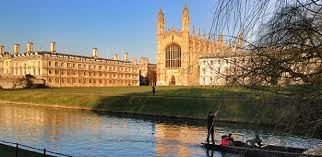
Cambridge Judge MBA Program : Complete 2026-27 Guide
Key Facts at a Glance
| Factor | Details |
|---|---|
| Program Duration | 12 months (4 terms) |
| Location | Cambridge, United Kingdom |
| Total Cost (2025) | £80,000 + ~£19,000 living expenses |
| Average GMAT | Mean of 680 to 690 on the classic scale, or 625 to 635 on GMAT Focus |
| Average Post-MBA Salary | £71,216 base |
| Employment Rate | 73% within 3 months |
Program Overview:
Why Cambridge Judge Stands Out
The Cambridge MBA at Judge Business School is a globally renowned program that blends academic rigor with practical application. With its focus on innovation, entrepreneurship, and collaboration, the program provides students with the tools to thrive in a fast-changing business landscape. As part of the historic University of Cambridge, the program offers access to a vibrant academic community and a global network of influential alumni.
Who This Program Is For
Innovators, tech enthusiasts, and aspiring entrepreneurs who thrive in a collaborative, academic environment. It’s perfect for those who want to leverage the power of the Cambridge ecosystem for startup or tech-focused careers.
Eligibility Criteria:
- Academic Background:
- A recognized undergraduate degree or equivalent with strong academic performance.
- Work Experience:
- Minimum of 2 years of professional work experience (average: 6 years).
- GMAT/GRE:
- A competitive GMAT (average: 700) or GRE score is required.
- English Proficiency:
- Non-native English speakers must provide TOEFL, IELTS, or equivalent test scores if applicable.
- Application Components:
- Online application form
- CV/resume
- Two professional references
- Essays and career objectives
- Application fee (£165)
- Admission interview (if shortlisted)
Unlock your Cambridge Judge admit with these resources :
Curriculum:
The MBA runs across 4 terms (Michaelmas, Lent, Easter, and Summer), combining roughly 50 electives, 9 thematic concentrations, and 4 team-based projects with a strong emphasis on applied, live-client learning.
Michaelmas term (October to December), focus on team building:
Core courses include Business Analytics, Corporate Finance, Financial Reporting and Analysis, Management Praxis, Microeconomics, Organisational Behaviour and Leadership, Organisations vs Markets: Designs and Incentives, and Business and Sustainable Development. Team project: Cambridge Venture Project (CVP), a market analysis for a Cambridge or wider UK-based client, completed in teams of 5 to 6.
Lent term (January to March), focus on team leading and organisational complexity:
Core courses include Strategy, Marketing, Corporate Governance and Ethics, Digital Business, and Negotiations Lab, alongside 3 electives chosen in Michaelmas term. Team project: Global Consulting Project (GCP), where small student teams consult for multinational corporations or international organisations, often involving international travel. Past clients include BP, Citi, Aston Martin, and Cambridge University Press.
Easter term (April to June), focus on influence and impact in a global context:
Core courses include Macroeconomics, Operations Management, and Advanced Strategy. Students choose one of 9 thematic Concentrations (such as Culture, Arts & Media Management, or Beyond Profit/Social Impact), applied through a Concentration Project advising a senior leadership team or NGO.
Summer term (June to September), application and relaunch:
Students choose one of: an individual project, a work placement, a research paper, Lean Six Sigma, or a Case Writing Workshop.
The programme also includes an international study trip and internship option throughout the year.
Fees:
- Tuition Fees: £80,000
- Payment is split into a non-refundable £7,950 reservation fee on accepting your offer, a £5,300 commitment fee once your College place is confirmed, and the remaining balance due shortly before the programme starts
- Additional Costs:
- Living Expenses: ~£19,000 annually.
- Miscellaneous: Visa fees, travel, and personal expenses.
Discounts and scholarships: Returning University of Cambridge alumni (Bachelor’s, Master’s, or PhD) receive an automatic £10,000 tuition discount. Cambridge Judge also offers a range of scholarships and bursaries grouped by academic achievement, sector of prior work experience, gender, nationality, and the LGBTQIA+ community, including the Forté Foundation Fellowship for women and several nationality-specific and sector-specific awards. Maximum scholarship value is capped at 50% of tuition, and awards are competitive.
Jobs & Salaries:
Employment Highlights:
- Placement Rate: Over 73% of graduates secure job offers within three months of graduation.
- Top Hiring Industries:
- Consulting: McKinsey, BCG, Bain
- Technology: Amazon, Google, Microsoft
- Finance: Barclays, J.P. Morgan, Goldman Sachs
- Other: Startups, healthcare, and energy sectors
Salaries:
- Average Base Post-MBA Salary: £71,216
Get insider insights in our conversation with Emily Brierley, Head of MBA Admissions at Cambridge Judge.
Final Thoughts
Pursuing an MBA from one of Europe’s top business schools is an investment in your future, offering unparalleled career advancement, a global network, and the skills needed to thrive in a dynamic business landscape.
Each school on this list provides unique opportunities, whether it’s cutting-edge entrepreneurship programs, global consulting projects, or access to thriving business hubs like London, Paris, and Barcelona.
Choosing the right MBA program depends on your career goals, interests, and the type of learning environment you prefer.
By selecting one of these world-class programs, you’ll be well-positioned to achieve your professional aspirations and make a lasting impact in the global business world.
Further Reading: Explore More MBA Insights
Continue your research with these detailed guides and articles from AdmitStreet:
- GMAT vs. GRE: Which Test Should You Take for Your MBA?
- MBA Application Fee and Application Fee Waivers at US and European B-Schools
- 10 ways to improve your profile as an MBA applicant
- Round 1 vs. Round 2 vs. Round 3 Apply in this MBA application round
- MBA Application Timeline: Month-by-Month Guide to Deadlines & Prep
- MBA Interview Questions: Insights from Top Business Schools
- Your Guide to Choosing the Perfect Business School: 10 Factors to Consider
- MBA Cost in USA: Latest Tuition Fee and Living Costs Revealed
FAQs : Top MBA Programs in Europe
Is an MBA in Europe worth it compared to an MBA in the US?
Yes, for many candidates. A European MBA offers distinct advantages, including a shorter duration (typically 10-18 months vs. 2 years), which means a faster return to the workforce and often a lower total cost. The programs are intensely international, providing unparalleled cultural diversity and a strong focus on global business, making them ideal for careers outside North America.
What is the average cost of a top MBA in Europe?
Tuition for top-tier European MBA programs typically ranges from €75,000 to €120,000 (approx. $80,000 – $130,000 USD). When including living expenses, the total cost can range from **€95,000 to €150,000+. It’s important to note that the shorter duration often makes the total investment lower than that of a two-year US program.
How much is the average post-MBA salary in Europe?
Graduates from top European business schools see strong compensation. The average post-MBA salary typically falls between $90,000 and $155,000 USD, with schools like London Business School and INSEAD often reporting figures at the higher end. Significant signing bonuses (often $20,000+) are also common in fields like consulting and finance.
Can I get a job in Europe after my MBA as an international student?
Yes, absolutely. This is a primary goal for many international students. Most European countries offer post-study work visas that allow you to seek employment after graduation. Schools with strong career services, like INSEAD, LBS, and HEC Paris, have excellent track records of placing international students in roles across Europe.
Do I need to speak another language to study for an MBA in Europe?
For the classroom, no. All top MBA programs are taught entirely in English. However, learning the local language (e.g., French, German, Spanish) can significantly enhance your daily life and improve job prospects within that specific country after graduation.
Are one-year MBAs in Europe respected by employers?
Yes, they are highly respected. The intensive, focused nature of one-year programs is valued by employers who appreciate the maturity, efficiency, and global mindset of the graduates. The prestige of the school (e.g., INSEAD, Oxford, Cambridge) carries significant weight regardless of the program’s length.
What is a good GMAT score for European MBA programs?
A competitive GMAT score for a top European school is generally 680 or above. The average scores at the most prestigious programs (INSEAD, LBS) are often 700+. However, schools evaluate applications holistically, so a strong profile with a slightly lower GMAT can still be successful.
What is the minimum work experience required?
Most top European MBA programs require a minimum of 2 years of professional work experience. The average experience of students is typically higher, ranging from 5 to 6 years, ensuring a rich peer-to-peer learning environment.
Which European MBA program is the best for finance/consulting/tech?
Finance: London Business School (LBS) is unparalleled due to its City of London location. INSEAD and HEC Paris also have strong finance tracks.
Consulting: INSEAD is often called the “consulting factory,” with LBS and HEC Paris also being top feeders to McKinsey, BCG, and Bain.
Technology: IESE, IE Business School, and Cambridge Judge have strong ties to the tech industry, with Oxford Said also growing rapidly in this area.
What are the cheapest MBA options in Europe?
While “cheap” is relative, excellent value can be found at leading public universities in countries like Spain, Germany, and France (outside the elite private schools), where tuition can be under €30,000. However, it’s crucial to research the brand recognition, career services, and alumni network to ensure they align with your goals.
Is an MBA in Europe a good option for Indian students?
Yes. European MBAs are especially popular with Indian applicants because of shorter program durations, generous post-study work visas across the EU and UK, and highly international cohorts. Schools like INSEAD, LBS, and IESE also have large, active Indian alumni networks that support recruiting into consulting, tech, and finance roles worldwide.
What’s the difference between a one-year and a two-year MBA in Europe?
A one-year MBA (INSEAD, IE, Oxford Saïd, Cambridge Judge) compresses the same core curriculum into an intensive, non-stop format with little or no summer break, and usually skips a formal internship. A longer program like London Business School’s 15-21 month track adds a summer internship and more time for electives, exchanges, or a career switch – useful if you’re pivoting industries rather than accelerating within one.
Can I get into a top European MBA program without a GMAT?
Most top European schools accept the GRE as an alternative to the GMAT, and some – including INSEAD and HEC Paris in specific cases – grant GMAT waivers for candidates with strong quantitative academic records or extensive senior leadership experience. Waivers are assessed case-by-case and are never guaranteed, so it’s worth checking each school’s current policy before assuming one applies to you
What are the cheapest MBA options in Europe?
While “cheap” is relative, excellent value can be found at leading public universities in countries like Spain, Germany, and France (outside the elite private schools), where tuition can be under €30,000. However, it’s crucial to research the brand recognition, career services, and alumni network to ensure they align with your goals.
Get a free profile evaluation
If you would like a candid assessment of your profile, book your free profile evaluation session now.